Runner width, stair geometry, binding, and pattern alignment determine whether carpet looks properly fitted to a staircase. Stair runner installation in Somerville, MA is approached by JP Flooring Services INC around the actual treads, risers, landings, and amount of hard surface the homeowner wants left visible.
Tread width, riser height, stair nosing, landings, turns, and exposed edges all affect how a runner should be sized. Homeowners comparing broader soft-floor options can also review our professional carpet installation services for fully carpeted rooms.
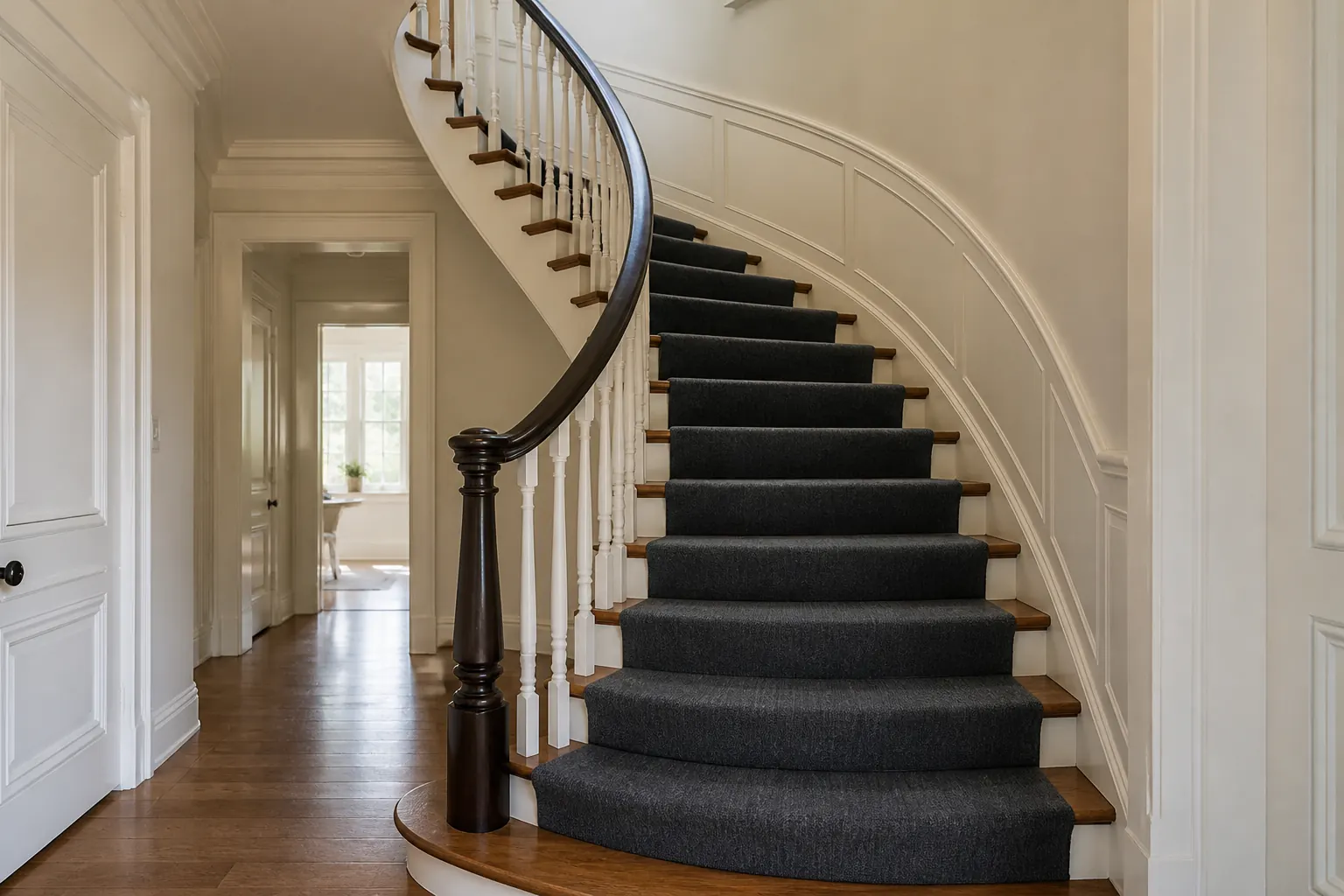
A narrow runner leaves more of the stair surface exposed, while a wider runner creates a stronger carpet presence. The right proportion depends on the staircase dimensions and the visual balance homeowners want. Our carpet runner installers measure each flight before material is finalized so runner width suits the actual stairs rather than a standard assumption.
Striped, geometric, and repeating carpet patterns make positioning especially noticeable. Alignment needs to stay consistent as the runner moves across treads, risers, landings, and any changes in direction. JP Flooring Services INC considers pattern repeat, centering, material quantity, and staircase geometry before installation begins.
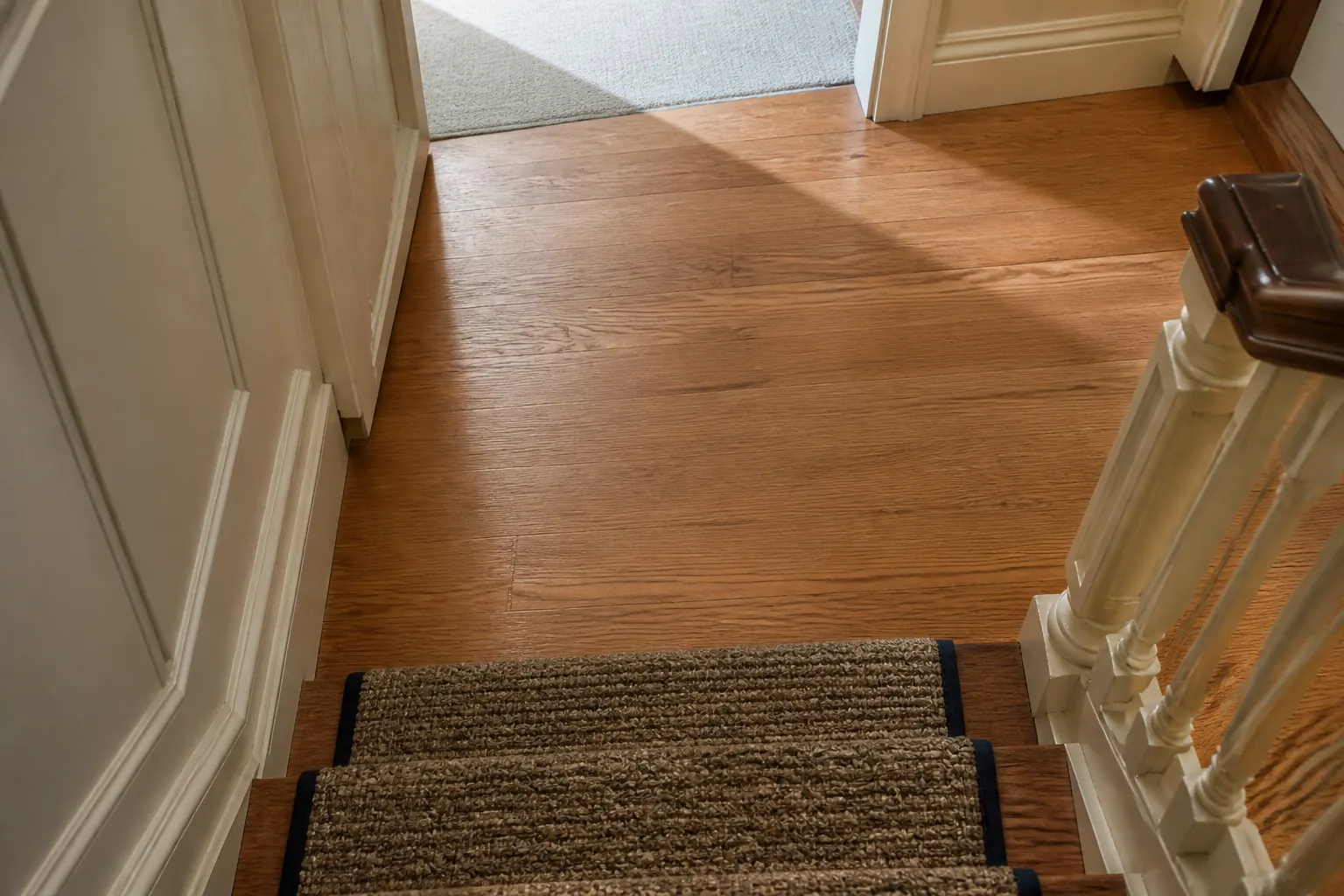
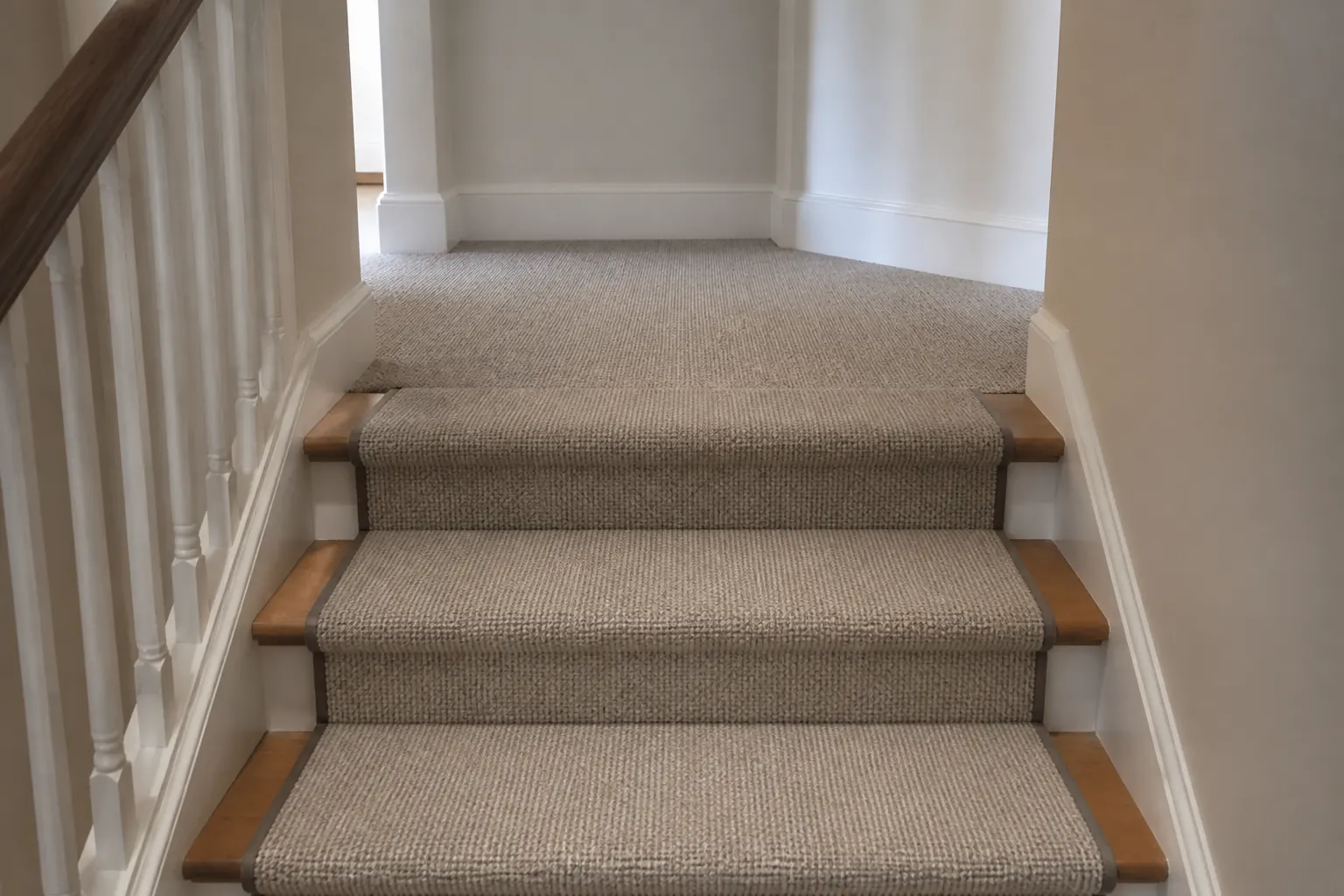
The exposed sides of a stair runner remain part of the finished design. Binding can define those edges while complementing or contrasting with the carpet selected. A custom runner installation should consider binding color, carpet construction, runner width, and the amount of stair surface left visible.
Stair treads and nosing profiles can vary, affecting how carpet wraps, rests, and visually continues from one step to the next. The fitting method needs to respond to the actual staircase. Our runner carpet installers review tread depth, risers, nosing, and turns before securing the material.
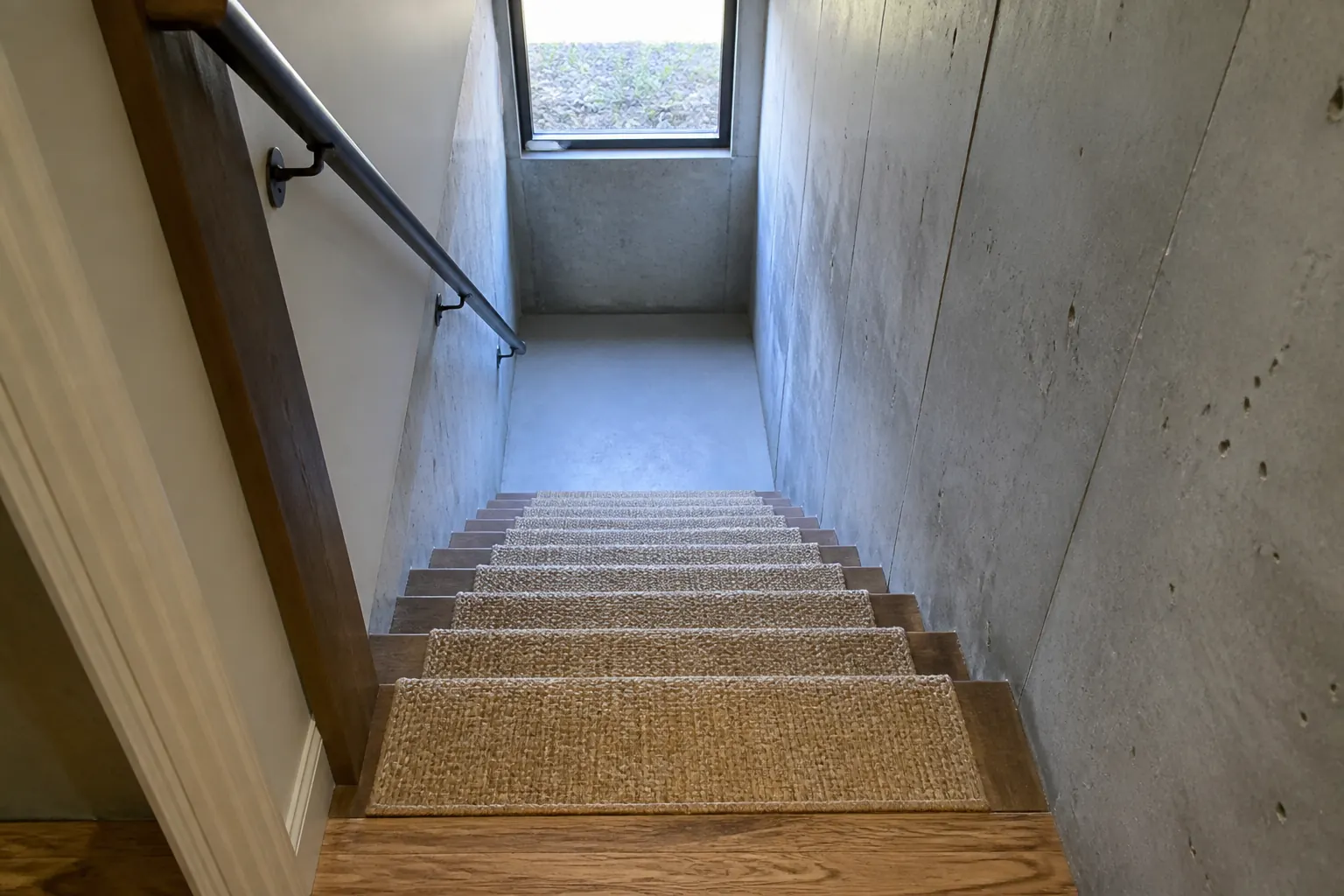
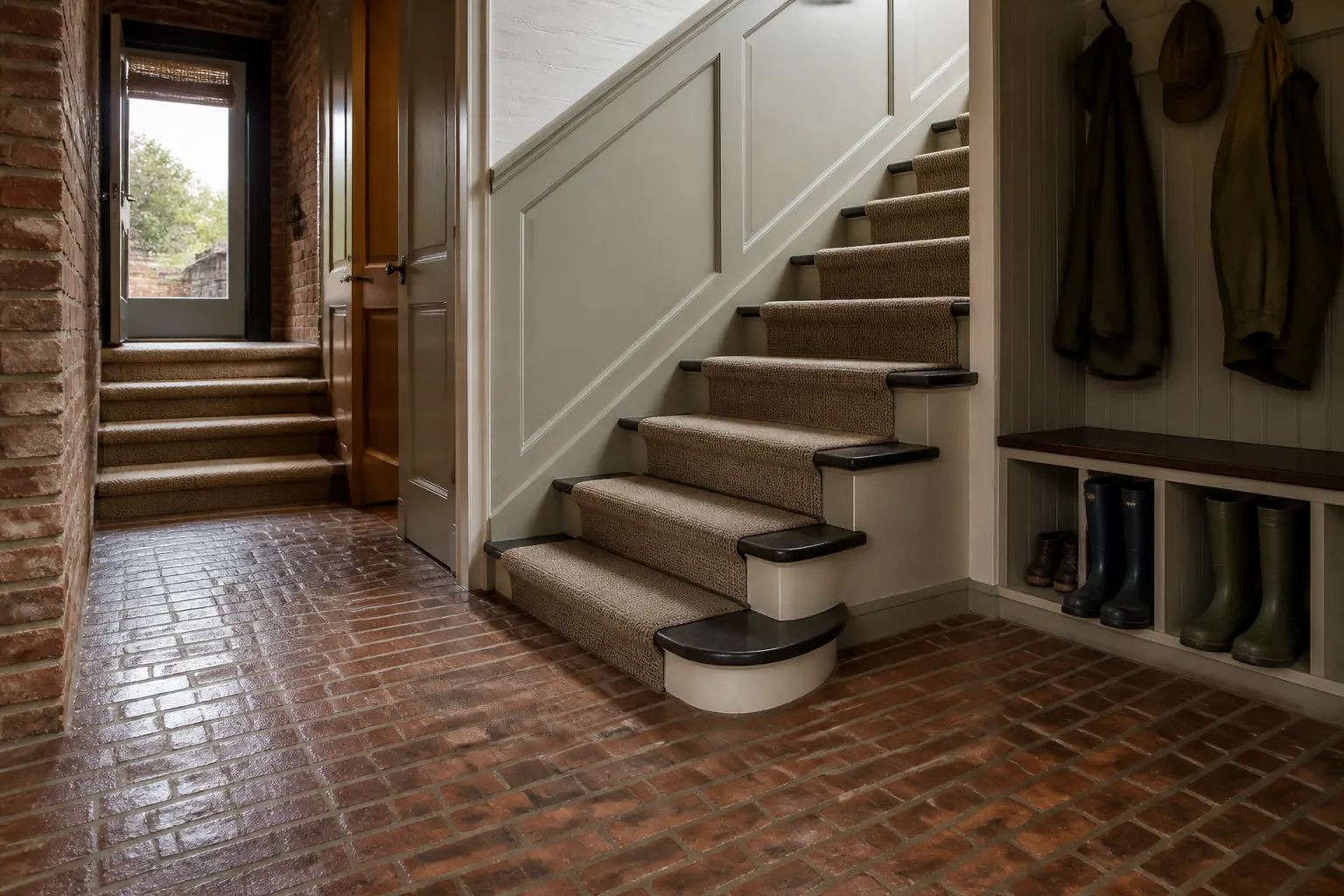
Hallway carpet runners can extend the visual language of a staircase into narrow connecting areas without covering the full floor. Width, pattern, color, and nearby flooring should be considered together. Homeowners planning larger updates can use our residential flooring installation services to coordinate runners with hardwood, carpet, tile, and LVP.
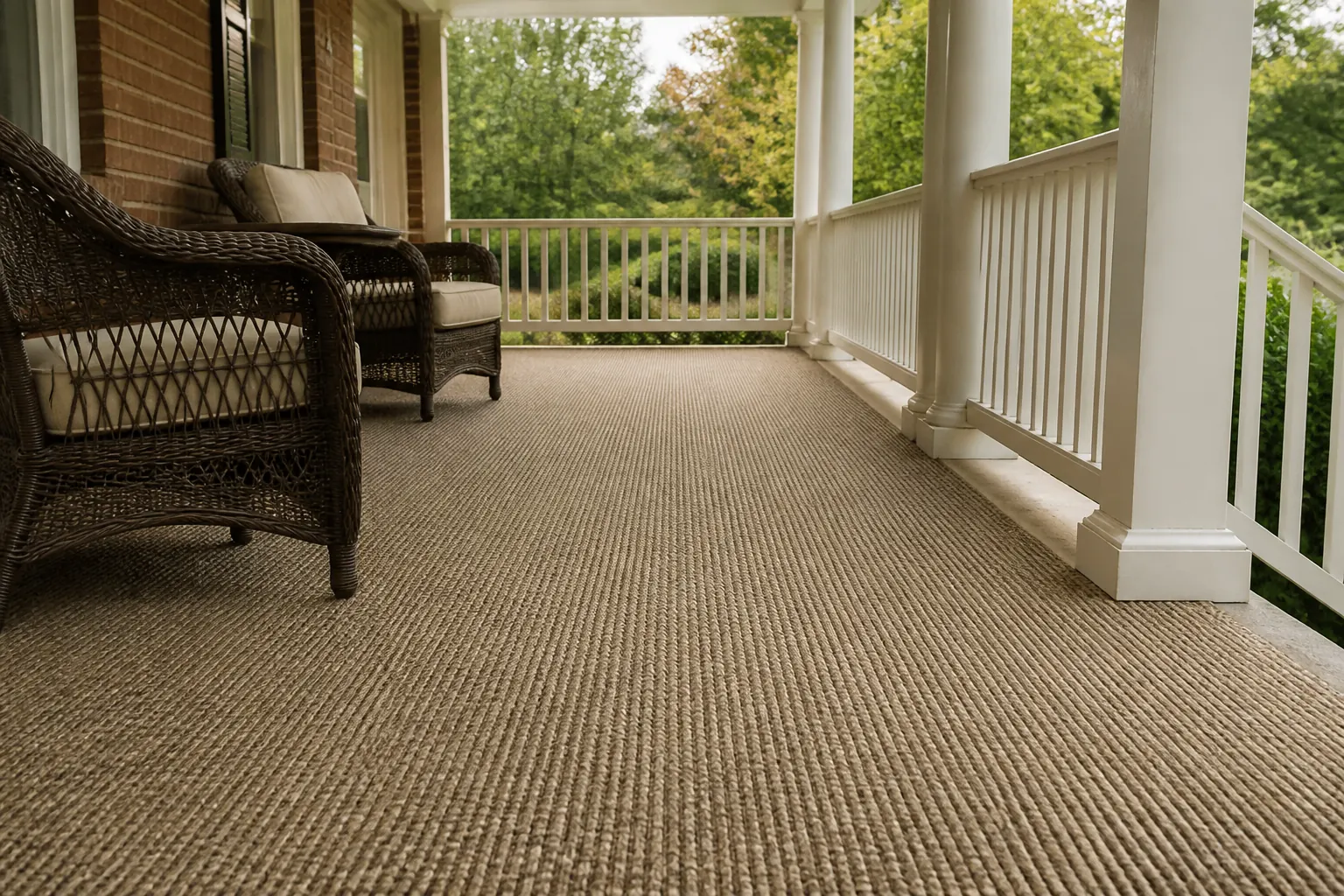
A stair runner and a basement, porch, or transitional room can have very different carpet requirements. Exposure, moisture, traffic, and surface conditions should influence material selection separately. Our Indoor-outdoor carpet installation provides another option for suitable spaces that need carpet chosen for changing conditions.
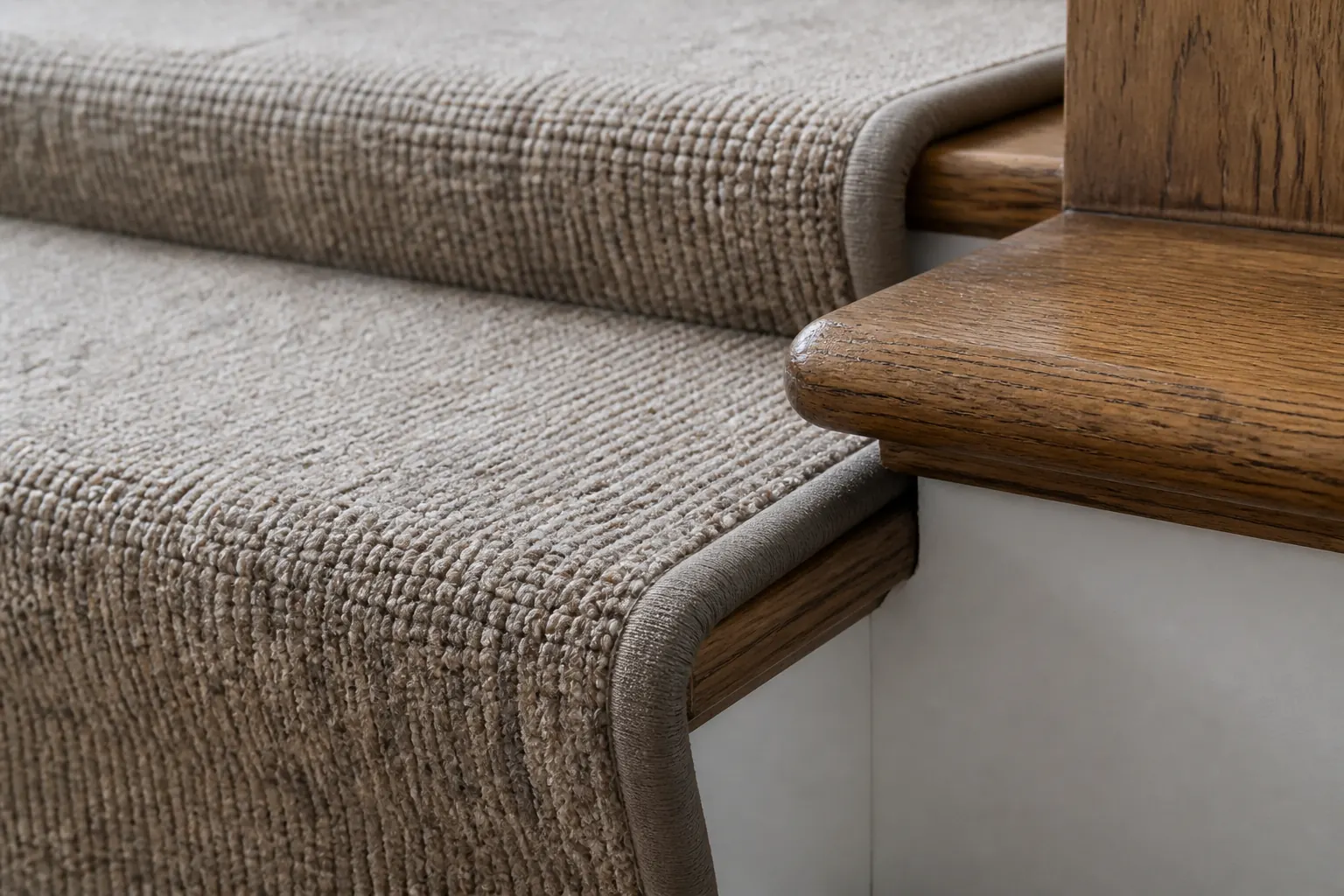
Stairs often sit between rooms with different flooring materials. JP Flooring Services INC considers carpet style, adjoining surfaces, hallways, landings, and room use when a runner becomes part of a larger flooring plan.
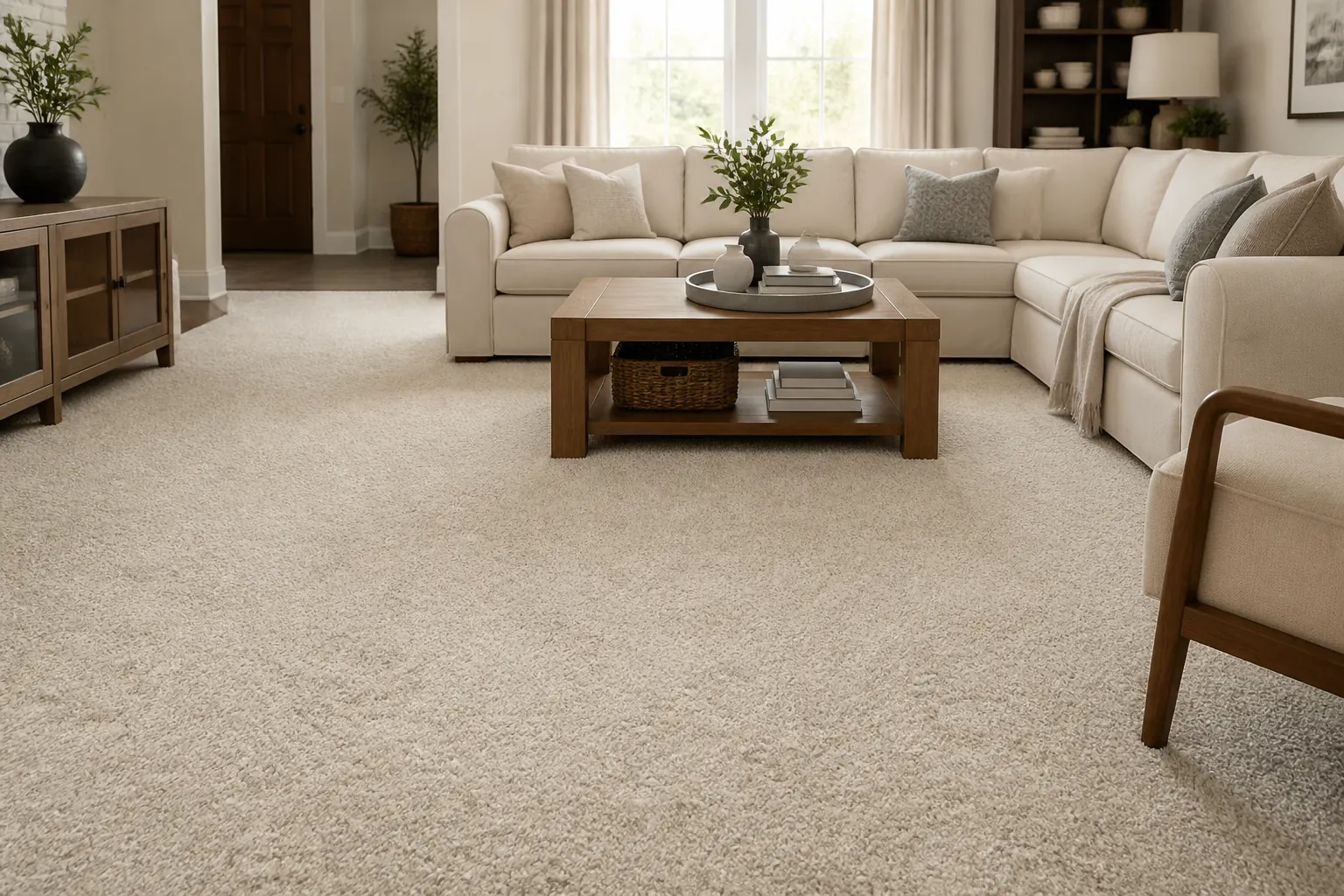
Bedrooms, living areas, and other fully carpeted spaces may use broader wall-to-wall carpet while the staircase keeps a narrower runner treatment. Coordinating pile, color, texture, and transition points can create continuity without requiring every carpeted area to use the exact same installation style.
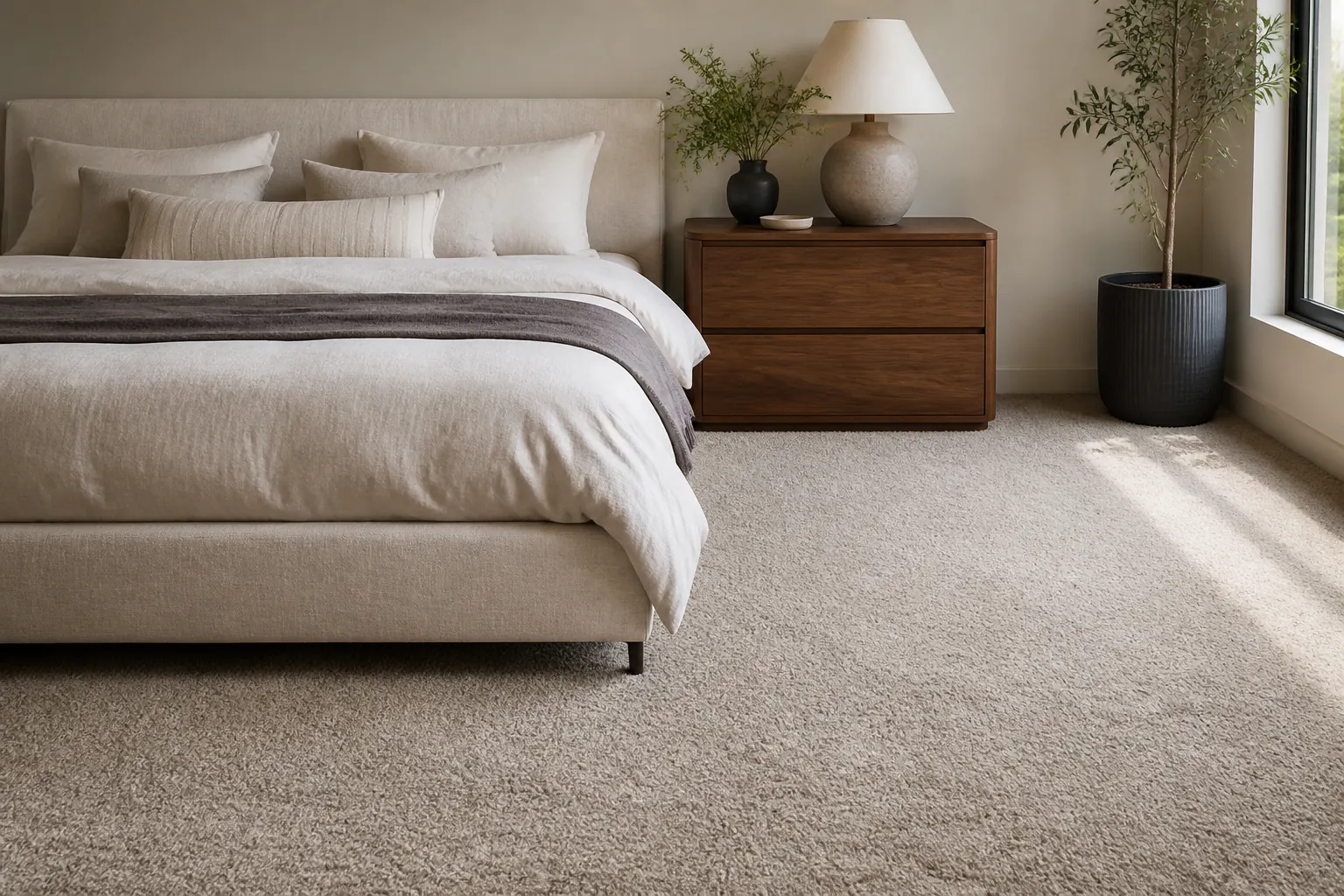
Long hallways can use runner carpet where homeowners want softness along the walking path while leaving portions of the hard floor exposed.
Runner samples can be difficult to judge without seeing them across real stairs. Homeowners can view stair runner projects to compare width, pattern, binding, and finished staircase proportions. Installed examples also help show how runners interact with landings, hardwood edges, turns, and different stair configurations.
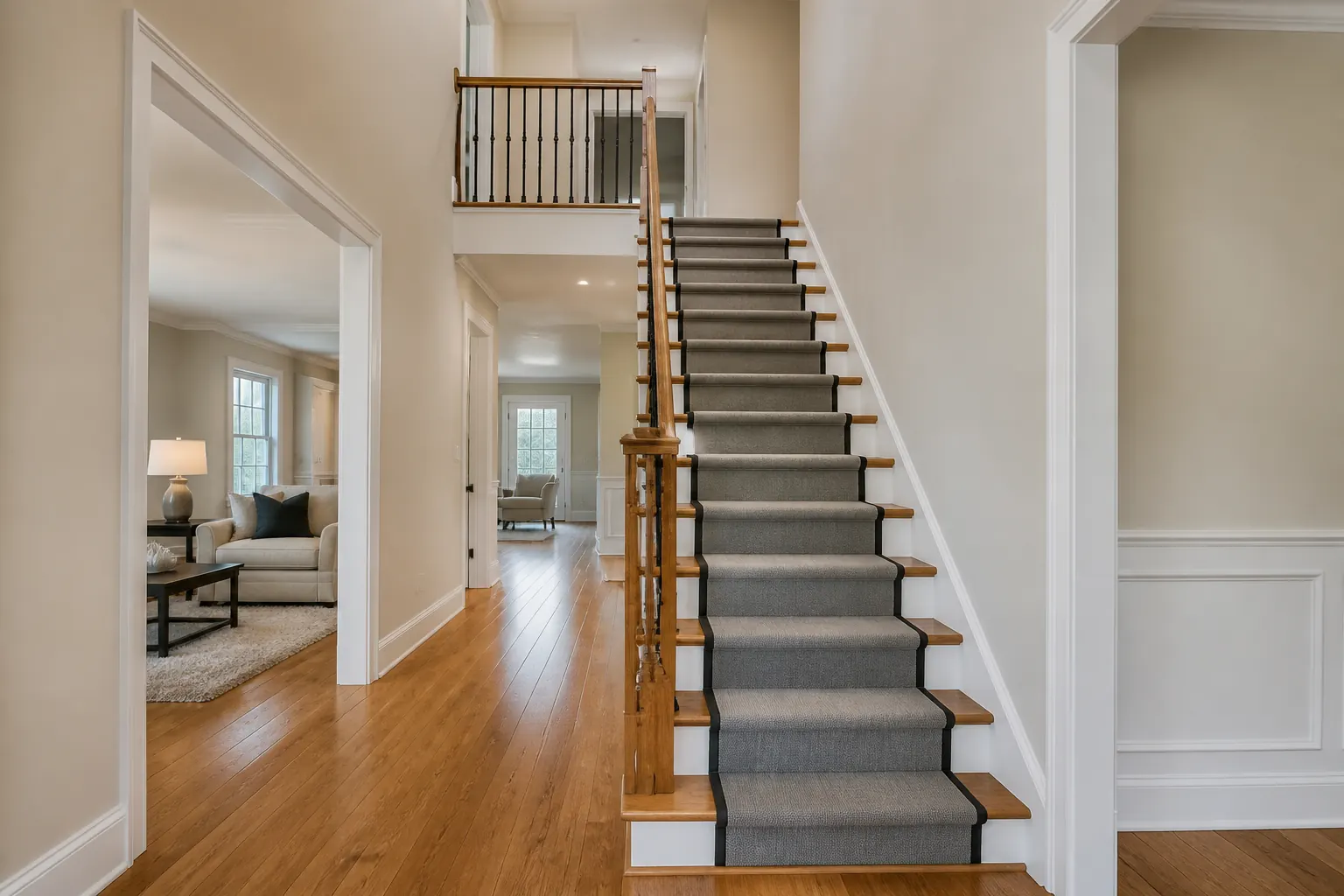
A runner may begin, end, or change direction at a landing where carpet meets hardwood or another floor. These points require careful fitting and edge treatment.
JP Flooring Services INC considers runner width, stair treads, carpet binding, pattern alignment, stair nosing, traffic, and adjoining flooring when planning stair runner installation in Somerville, MA. That keeps the finished runner proportional to the architecture instead of looking like carpet simply laid over the center of the stairs.
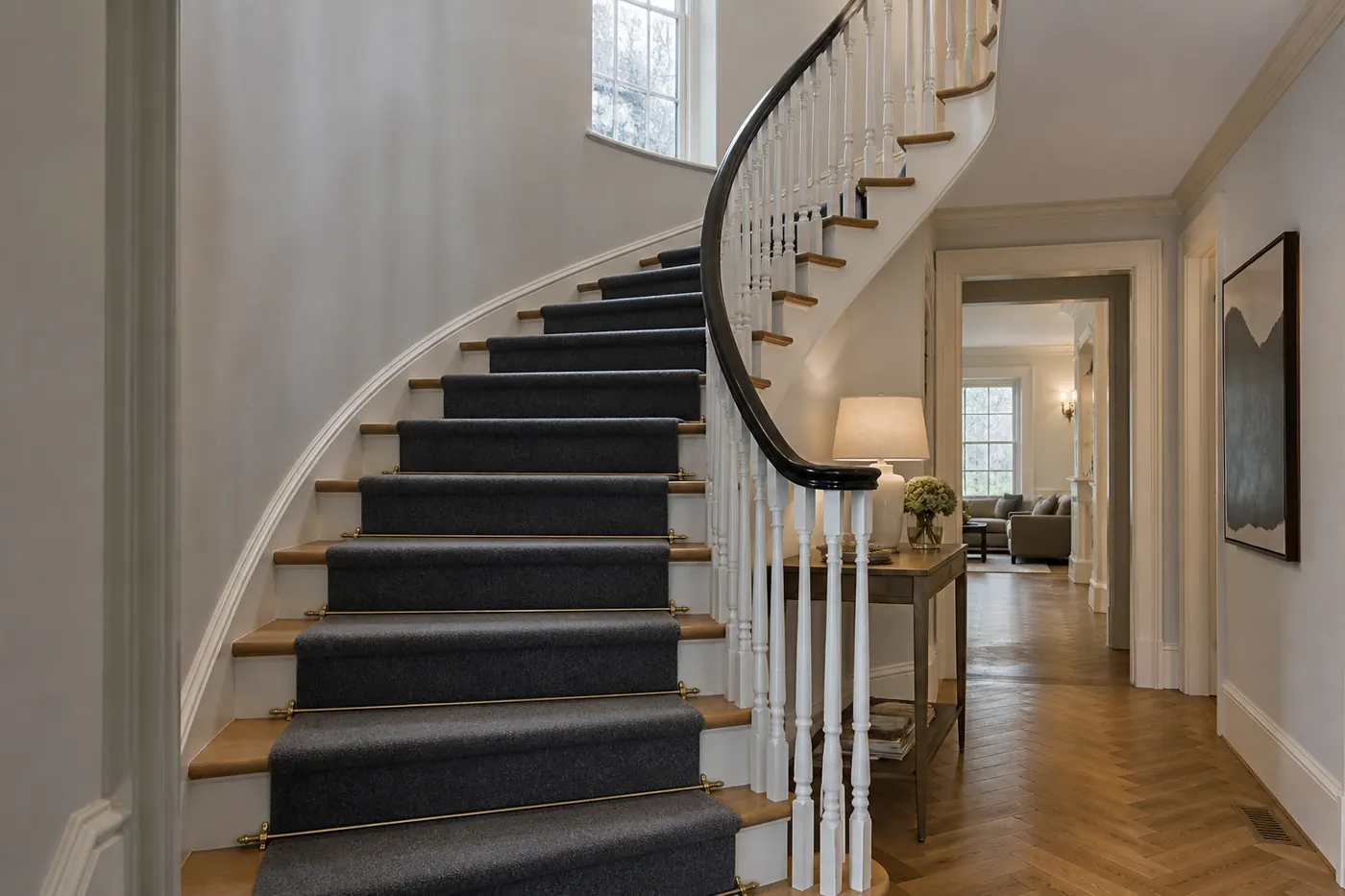
We measure treads, risers, landings, turns, stair width, and nosing details that affect sizing and fitting.
Carpet construction, pattern, exposed stair edges, binding, and overall proportion are considered before the material is finalized.
Pattern repeats, visual alignment, landings, and turns are planned before the runner is positioned on the staircase.
Our carpet runner installers secure, align, trim, and finish the material across the staircase and adjoining landing areas.
Runner width depends on the staircase dimensions and how much exposed surface you want visible along each side. Measuring the actual stairs first helps establish proportions rather than relying on one standard runner width.
Yes. Patterned carpet can create a strong stair runner, but repeats need careful centering and alignment across treads, risers, landings, and turns. Pattern scale can also affect material quantity and fitting complexity.
Binding finishes the exposed edges of many custom runners and gives the carpet a defined border. The binding style and color should suit the carpet construction, runner width, and overall staircase design.
Yes, many hardwood staircases can support a runner when the surface, stair dimensions, carpet, and fitting method are suitable. The installation leaves portions of the hardwood visible along the sides of each step.
A carpet runner adds a textured surface underfoot and can provide more grip than some smooth hard flooring. Actual traction depends on carpet construction, fitting, footwear, and the condition of the staircase.
Share the staircase shape, approximate width, carpet style, and pattern direction with JP Flooring Services INC when you request a stair runner estimate. Those details help define measuring, material, binding, and fitting needs.